
Call us now :07313726526
 Send Inquiry
 Send Inquiry
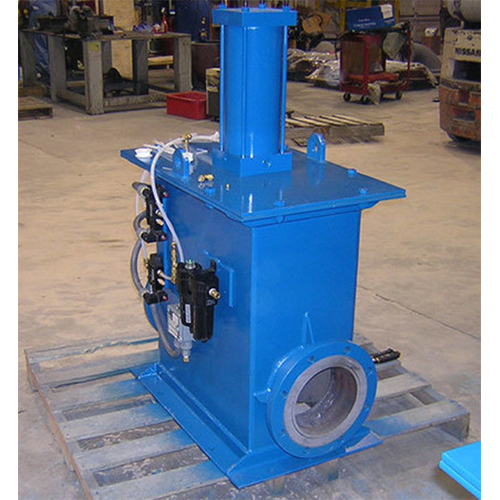
Knife Gate Valve
Price 9000.0 INR/ Piece
MOQ : 1 Piece
Knife Gate Valve Specification
- Valve Size
- 2 to 48 (DN50 to DN1200)
- Control System
- Manual handwheel, Gear operated, Pneumatic/Electric actuator
- Material
- Cast iron, Ductile iron, Stainless Steel (SS304, SS316), Carbon Steel
- Valve Type
- Wafer Type Knife Gate Valve
- Connection Type
- Wafer, Lugged, Flanged ends
- Structure
- Single plate (wafer/slim type), Full lug type
- Sealing
- Soft seated (EPDM, PTFE, Nitrile, Viton), Metal seated option
- Voltage
- 220V/380V/440V for electric actuated types
- Application
- Industrial fluid control, effluent treatment, chemical processing, water treatment, pulp & paper plants
- Type
- Knife Gate Valve
- Power
- Manual / Pneumatic / Electric actuator operated
- Pressure
- PN10/PN16 (10 bar/16 bar), class 150
- Media
- Slurries, Liquids with suspended solids, Wastewater, Pulp, Powder and Granular Material
- Port Size
- 2 to 48 (DN50 to DN1200)
- Disc
- Stainless Steel, CF8/CF8M
- Pin
- Stainless Steel
- Bonnet Type
- Bonnetless or Enclosed Bonnet for higher safety
- Leakage Rate
- Class IV (Soft seat), Class III (Metal seat)
- Gland Flange
- Carbon steel or stainless steel
- Color / Coating
- Epoxy painted (blue/grey/red), powder coated
- Body Material
- Cast iron, Ductile iron (GG25/GGG40), SS304, SS316, WCB as per ASTM
- End Connection
- Wafer, Lug type
- Seat Material
- EPDM, Nitrile, PTFE, Viton, Metal Seat
- Packing
- Graphite, PTFE, Asbestos free
- Handwheel Material
- Cast Iron or Ductile Iron
- Stem Material
- Stainless steel AISI 410 / AISI 316
Knife Gate Valve Trade Information
- Minimum Order Quantity
- 1 Piece
- Payment Terms
- Cash in Advance (CID), Cheque
- Supply Ability
- 400 Pieces Per Month
- Sample Available
- Yes
- Sample Policy
- Sample costs shipping and taxes has to be paid by the buyer
- Packaging Details
- As per buyers requirement packing available.
- Main Export Market(s)
- Africa, Central America, Eastern Europe, Australia, Middle East, South America, Western Europe, Asia, North America
- Main Domestic Market
- All India
- Certifications
- ISO Certified
Knife Gate Valve About
We are engaged in offering a wide range of Knife Gate Valve to our clients. This valve is manufactured by making use premium quality raw materials and sophisticated techniques under the guidance of our professionals in line with existing industry standards. The valve provided by us is broadly known for its indispensable attributes such as rugged design and high durability. Furthermore, clients can avail this Knife Gate Valve from us in different dimensions as per their needs within the promised time frame.
Features:
-
Sturdiness
-
Anti corrosive
-
Robust construction
-
Dimensional accuracy
Versatile Body and Seat Materials
Choose from Cast iron, Ductile iron (GG25/GGG40), stainless steel (SS304, SS316), or carbon steel bodies to match demanding industrial environments. Seats are available in EPDM, Nitrile, PTFE, Viton, or robust metal options to guarantee effective sealing, chemical compatibility, and low maintenance even with abrasive or corrosive media.
Bonnet Design for Enhanced Safety
Select either a bonnetless design for easy maintenance or an enclosed bonnet for higher safety requirements in hazardous environments. Each valve is meticulously coated (epoxy or powder) in blue, grey, or red to provide long-lasting corrosion protection, making the valve suitable for demanding applications such as power plants, wastewater, or pulp processing.
Flexible Operation and Connection Options
The valve can be operated manually by handwheel, gear, or automatically with pneumatic/electric actuators (available in 220V/380V/440V). End connections include wafer, lug, or flanged types, accommodating seamless integration into new or existing pipeline systems, with sizes from DN50 up to DN1200.
FAQs of Knife Gate Valve:
Q: How do I choose the appropriate body and seat materials for a knife gate valve?
A: Selection depends on your applications pressure, temperature, and chemical compatibility requirements. For corrosive or high-temperature media, stainless steel (SS304/SS316) with PTFE, Viton, or metal seats may be preferred. For water or wastewater, cast iron or ductile iron valves with EPDM or nitrile seats are often sufficient.Q: What are the primary benefits of the bonnetless and enclosed bonnet designs?
A: Bonnetless knife gate valves offer easier maintenance and cost-effectiveness, suitable for standard applications. Enclosed bonnet designs provide enhanced protection and safety, especially in hazardous or high-pressure environments, preventing external contamination and ensuring reliable operation.Q: Where are knife gate valves typically used in industry?
A: Knife gate valves are widely used in industrial fluid control, effluent treatment, chemical processing, water treatment, pulp and paper plants, and in processes handling slurries, wastewater, or granular materials due to their ability to cut through suspended solids.Q: What is the process for installing a wafer type knife gate valve?
A: Installation involves aligning the valve between two pipe flanges (using gaskets as needed), tightening the flange bolts in a criss-cross pattern for uniform pressure. Wafer and lug types are designed for easy integration into existing pipeline setups. Always ensure correct orientation and check for leakage upon commissioning.Q: How does the valves sealing option (soft seated or metal seated) influence its usage?
A: Soft seated valves using EPDM, PTFE, or similar materials provide excellent sealing for liquids and low-pressure slurries, offering lower leakage rates (Class IV). Metal seated versions are suited for abrasive, high-temperature, or high-pressure applications, but with slightly higher leakage tolerance (Class III).Q: What is the advantage of multiple actuation options (manual, pneumatic, electric)?
A: Offering manual, pneumatic, or electric actuation allows users to choose the most suitable control mode based on process requirements. Manual is ideal for basic setups, pneumatic for fast/remote control, and electric for integration with automated systems or where remote operation is essential.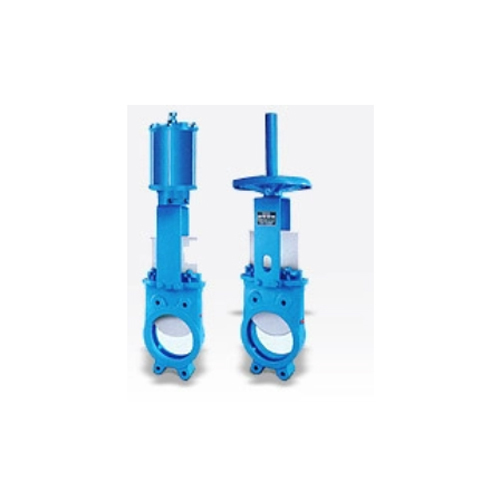
Tell us about your requirement

Price:
Quantity
Select Unit
- 50
- 100
- 200
- 250
- 500
- 1000+
Additional detail
Mobile number
Email

More Products in Industrial Valve Category
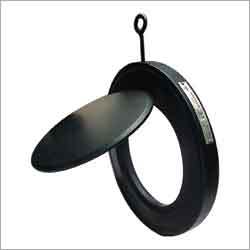
Single Plate Non Return Valves
Price 3000.0 INR / Piece
Minimum Order Quantity : 1 Piece
Application : Industrial fluid control, water supply, petroleum, chemical pipelines, HVAC systems
Structure : Other, Single plate wafer type
Media : Other, Water, oil, air, gas, corrosive fluids
Pressure : Other, PN10, PN16, PN25
Booster Valve
Price 740.0 INR / Piece
Minimum Order Quantity : 1 Piece
Application : Industrial Automation, Pneumatic Systems, Control Circuits
Structure : Other, Piston Type, Boosting Chamber
Pressure : Other, Up to 10 Bar (145 psi)
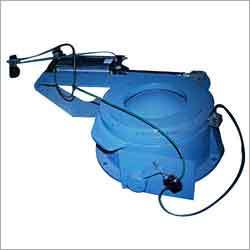
Inflatable Seal Type Dome Valves
Price 28000.0 INR / Piece
Minimum Order Quantity : 1 Piece
Application : Bulk material Handling, Pneumatic conveying systems, Dust control, Isolation of flow in hoppers and silos
Structure : Other, Inflatable Seal Type Dome Valve with reinforced dome construction
Media : Other, Powder, granules, abrasive materials, gases
Pressure : Other, Up to 6 Bar
Silo Top Dump Valve
Price 40000.0 INR / Piece
Minimum Order Quantity : 1 Piece
Application : FOR DIVERTING THE FLOW LINE
Structure : Other
Media : Other
Pressure : Low Pressure

 Send Inquiry
Our Products


102, Vishwakarma Indl. Complex, Mujessar,Faridabad - 121005, Haryana, India

Mr. D. K. Goel
(C.E.O.)
Mobile :07313726526
 Send Inquiry
 Send SMS
Developed and Managed by Infocom Network Private Limited.
